

Reduce Downtime in Your Compressed Air System
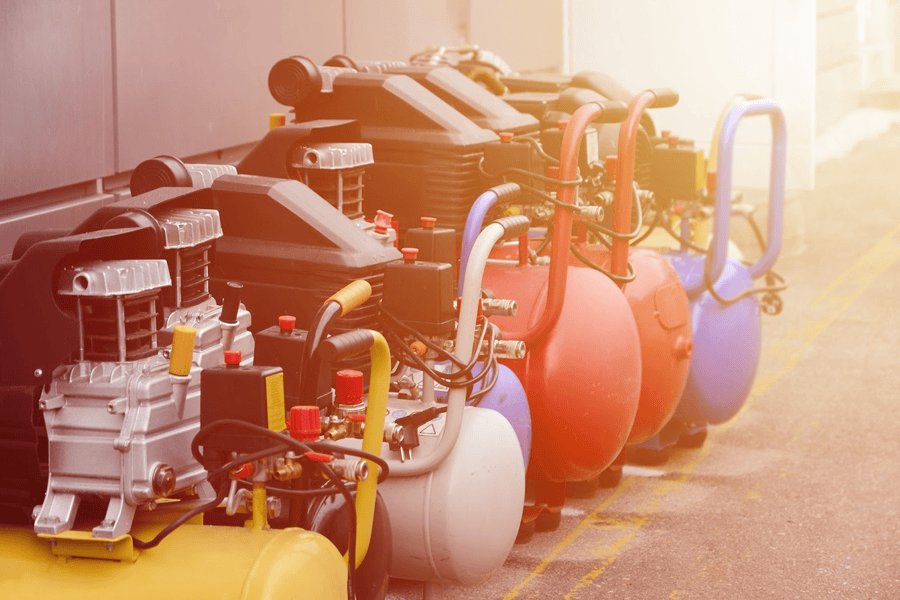
Industrial compressed air systems are vital to operations in many industrial facilities. When these systems fail or are disrupted, the impact can be significant, from revenue losses to an increase in repair costs. However, in many cases, downtime can be avoided. By identifying common causes of compressed air system downtime and following proven maintenance practices, facilities can improve air compressor uptime and long-term equipment performance.
Common Causes of Downtime
One of the most common causes of downtime is a lack of maintenance. Without it, filters, oil, and wear parts can become vulnerable to damage over time. Air leaks and pressure drops are also common in compressed air systems. These issues force compressors to work harder, which can increase energy use and accelerate mechanical wear.
Another common cause of downtime is overheating. This can be due to clogged filters, degraded oil, or poor ventilation. Electrical failures, including control panel faults, VFD issues, and sensor malfunctions, can also cause operations to halt without warning. Finally, many systems rely on aging or undersized equipment that might not meet current production needs.

80% of compressor downtime is preventable.
Best Practices for Uptime
Improving uptime begins with consistent air compressor service and active system monitoring. Some key components of your long-term maintenance will include:
- Performing scheduled service. Replace filters, oil, and seals at recommended intervals.
- Monitoring key metrics. Track pressure, temperature, and flow rates to detect early signs of failure.
- Inspecting control systems. Confirm all VFDs and safety interlocks function properly.
- Conducting walk-throughs. Visual inspections often reveal issues automation can miss.
These practices can extend equipment life, lower energy costs, and reduce the need for emergency service calls. For added support, Energy Machinery provides full compressor maintenance and repair services.
Long-Term Reliability Strategies
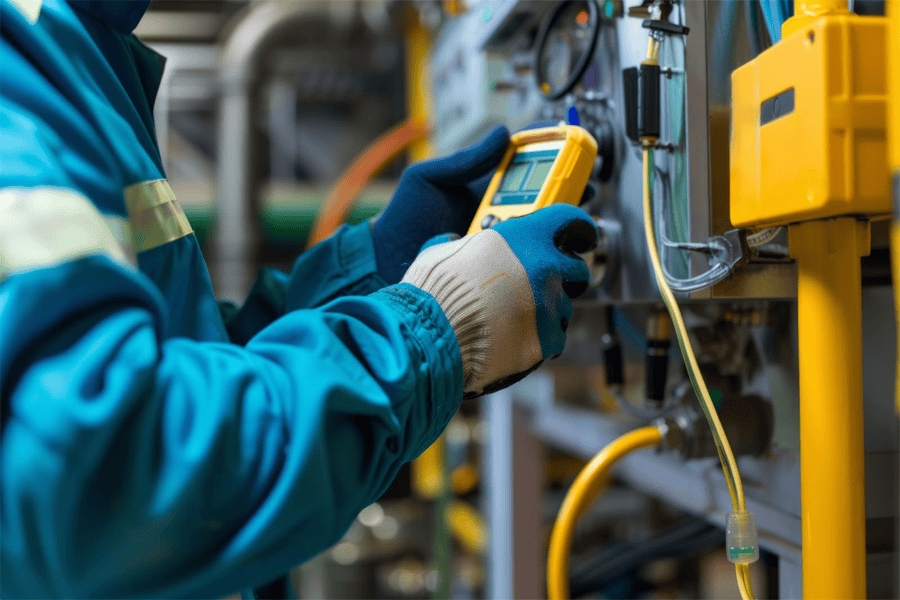
While short-term servicing keeps systems running, long-term reliability strategies can prevent many performance issues. Regular air audits and leak detection help identify weak points before they result in loss. These assessments also ensure the system operates efficiently and meets current air demands.
When compressor equipment approaches its limit, upgrades may be necessary to maintain optimal performance. Using energy-efficient or properly sized compressors can lower energy costs while improving system capacity. Redundancy is another key strategy–adding a backup unit reduces risk in critical operations and ensures continued function during maintenance.
Analytics tools are also valuable for long-term planning and ongoing maintenance. Monitoring software can track performance trends, alert users to changes, and predict potential issues. Planning for future air load, especially during facility expansion, ensures that systems are ready for increased demand.

Audit
Upgrade

Monitor

Maintain
Choose a Partner That Prioritizes Uptime
Compressed air reliability depends on more than equipment. It requires expert service, consistent maintenance, and informed planning. Energy Machinery supports all three with diagnostics, preventative programs, and emergency repair services designed to reduce compressed air system downtime and extend equipment life.
With in-house rebuilds, OEM air compressor parts, and experience across brands such as Gardner Denver, Hankison, and Airtech, our team delivers solutions designed for long-term performance. We help facilities avoid failures, control costs, and improve uptime through precise service and technical expertise.
To take the next step toward improving air compressor uptime, see our catalog. You can also contact our team to learn more about our services and the brands we work with.